case study
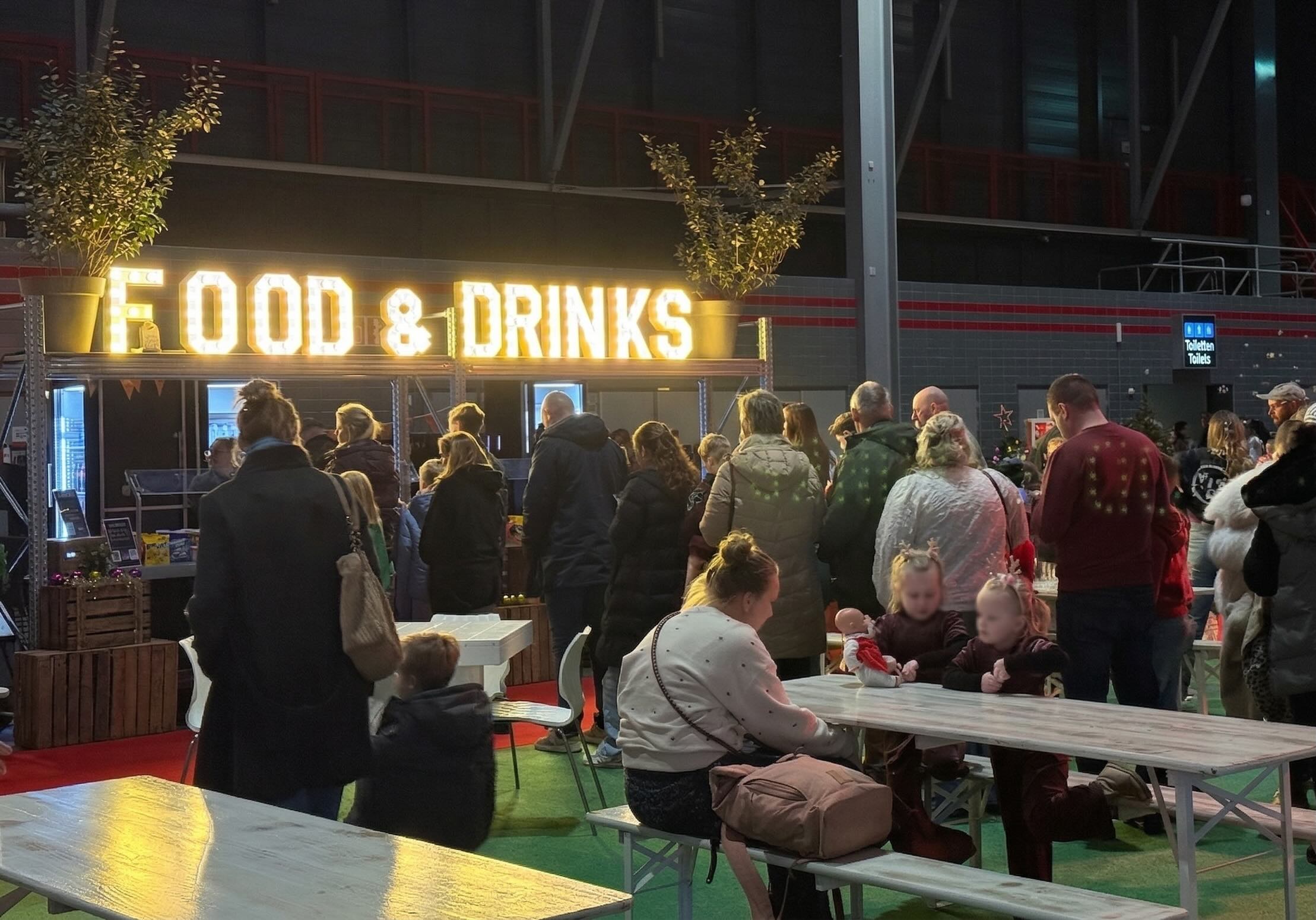
During Disney On Ice at Royal Jaarbeurs Utrecht, attended by ~18,000 visitors, PackBack’s reuse system operated at full event scale under peak demand conditions.
Event environments are defined by short, high-intensity sales windows. During intermissions, throughput directly determines revenue.
Across both days: 92.2% return rate achieved without impacting service speed or flow.

Royal Jaarbeurs is one of the Netherlands’ leading event venues, hosting high-volume exhibitions and conferences in Utrecht. PackBack enables reusable packaging across its diverse food and beverage operations.In fast-paced event environments, efficiency and flow are critical. Seamless reuse solutions ensure operations run smoothly, even during peak moments.
-2.jpg)
For large event operators, performance is measured in:
● Peak-moment throughput
● Staff efficiency under pressure
● Revenue protection during short selling windows
● Minimizing operational chaos
During intermissions, beverage demand spikes dramatically. Staffing capacity is fixed. Queue growth directly impacts revenue.
In these environments, any system that introduces friction like a manual collection, unclear return processes, or guest confusion becomes a commercial risk.
The question at Jaarbeurs was not only whether reuse was sustainable. The question was also whether reuse could perform reliably inside peak operational pressure.
The reuse system was embedded into existing service operations:
● Cups issued directly at beverage preparation points
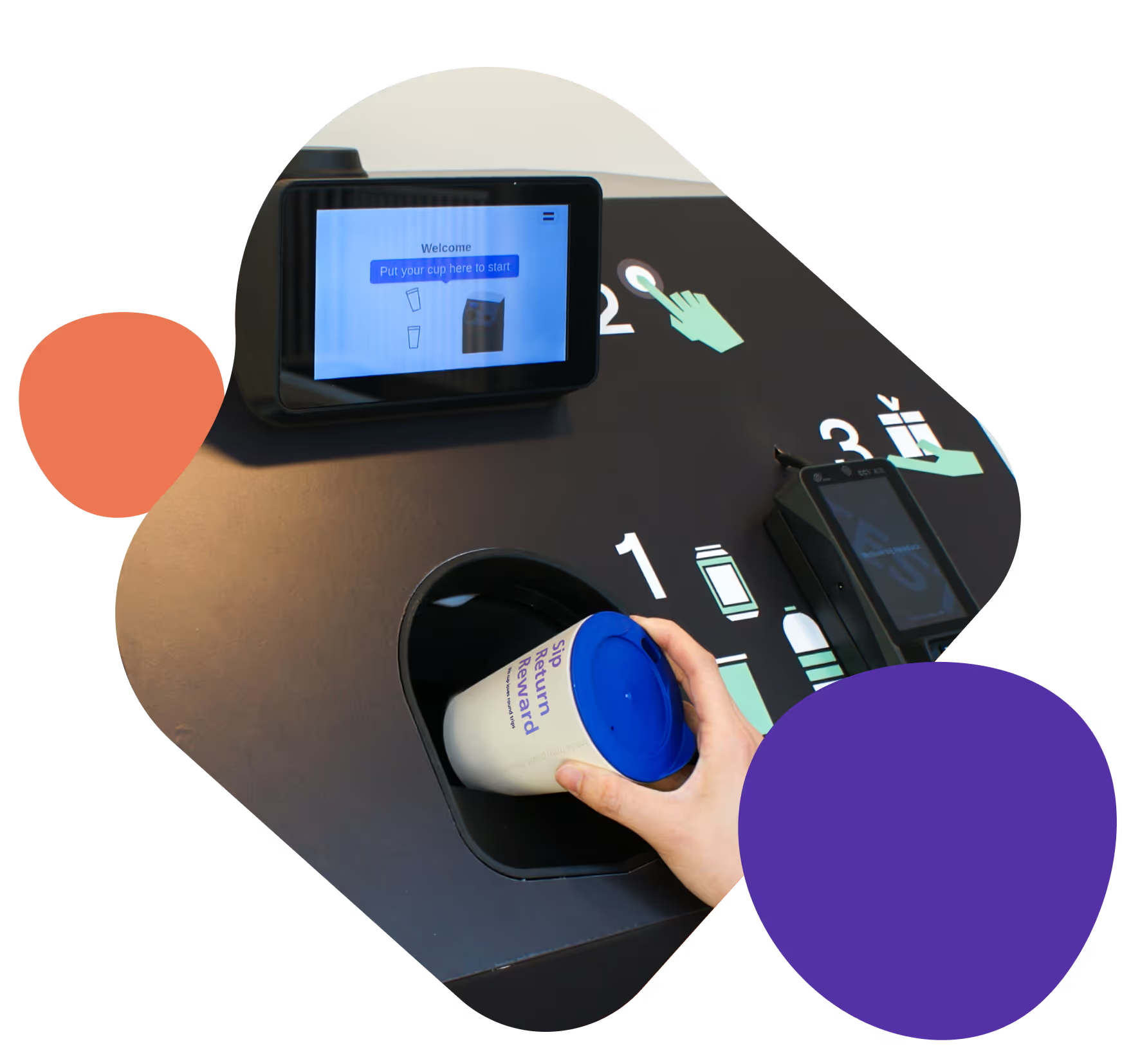
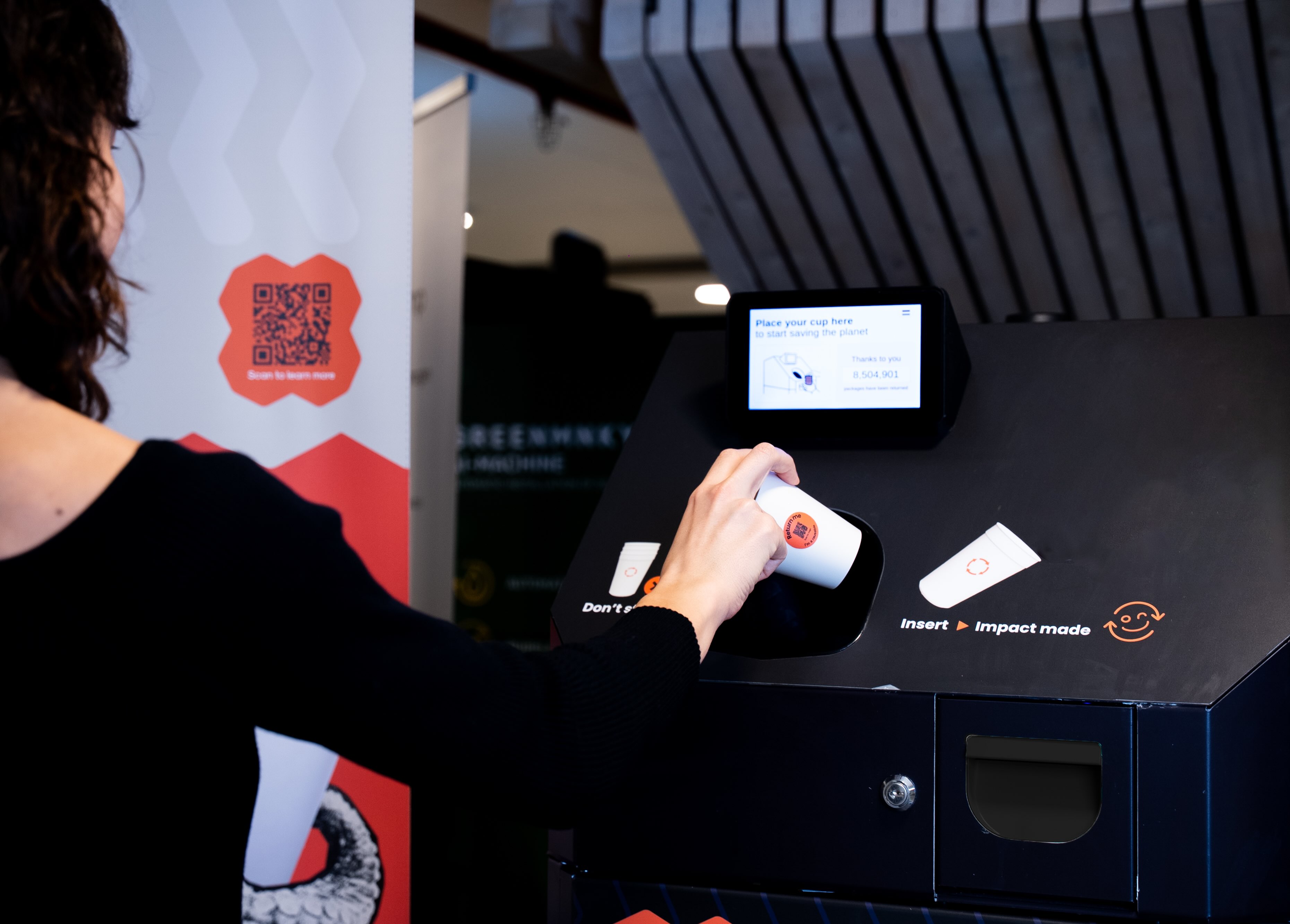
● Centralized SmartBin for returns
● Drop-tap-and-go return model
● Deposit structure supporting same-day reorders
● No side collection stations
● No additional staffing layers
Returns were removed from frontline operations. Staff focused on selling, not handling waste.

During peak intermissions:
● Service speed was maintained
● No queues formed at return points
● No additional staff were required
Returns were handled entirely through centralized infrastructure, allowing operations to remain stable under high visitor density.
Guests followed the return flow intuitively, resulting in a 92.2% return rate without explanation overhead.
Revenue protected
No queue build-up or operational slowdowns during peak sales windows.
Staff focus preserved
No diversion to waste handling - full focus on service and sales.
Operational stability
Centralized returns reduced variability during high-pressure moments.
Strong adoption
High return rate demonstrates intuitive guest behavior in a fast-paced environment.
This deployment establishes a repeatable model for high-volume event environments. It shows that reuse can:
● operate under extreme demand concentration
● maintain throughput during revenue-critical windows
● remove friction from frontline staff
● deliver consistent return performance
.JPG)
In event environments, performance is everything. This case shows that reuse does not have to compete with operations. It can support throughput, protect revenue, and simplify workflows under peak pressure.